The harder you push, the less they learn
Here is a scene that plays out in thousands of Indian homes every evening. A student sits at the desk for the eighth straight hour. Notes are open, highlighters scattered. But the eyes have glazed over. Nothing is going in.
The parent notices. Their instinct is to push. More hours. Less sleep. Another coaching class on Sunday. If the scores are dropping, surely the answer is more effort?
Neuroscience says the opposite.
Research on competitive exam aspirants in India paints a sobering picture. A large majority of NEET and JEE students report moderate to high academic stress, and many sleep fewer than six hours a night. The result is not more learning. It is diminishing returns — declining focus, weaker memory, and emotional fragility.
This article will show you a better way. One grounded in how the brain actually works.
What is the flow state and why should you care?
You have seen your child in flow, even if you did not have a name for it. It is that state where time seems to vanish. The problem is challenging but not overwhelming. Distractions fade. Learning happens fast and deep.
Flow is not mystical. It is a measurable neurological state. Students in flow retain more, solve problems more creatively, and build connections between concepts that rote study cannot produce.
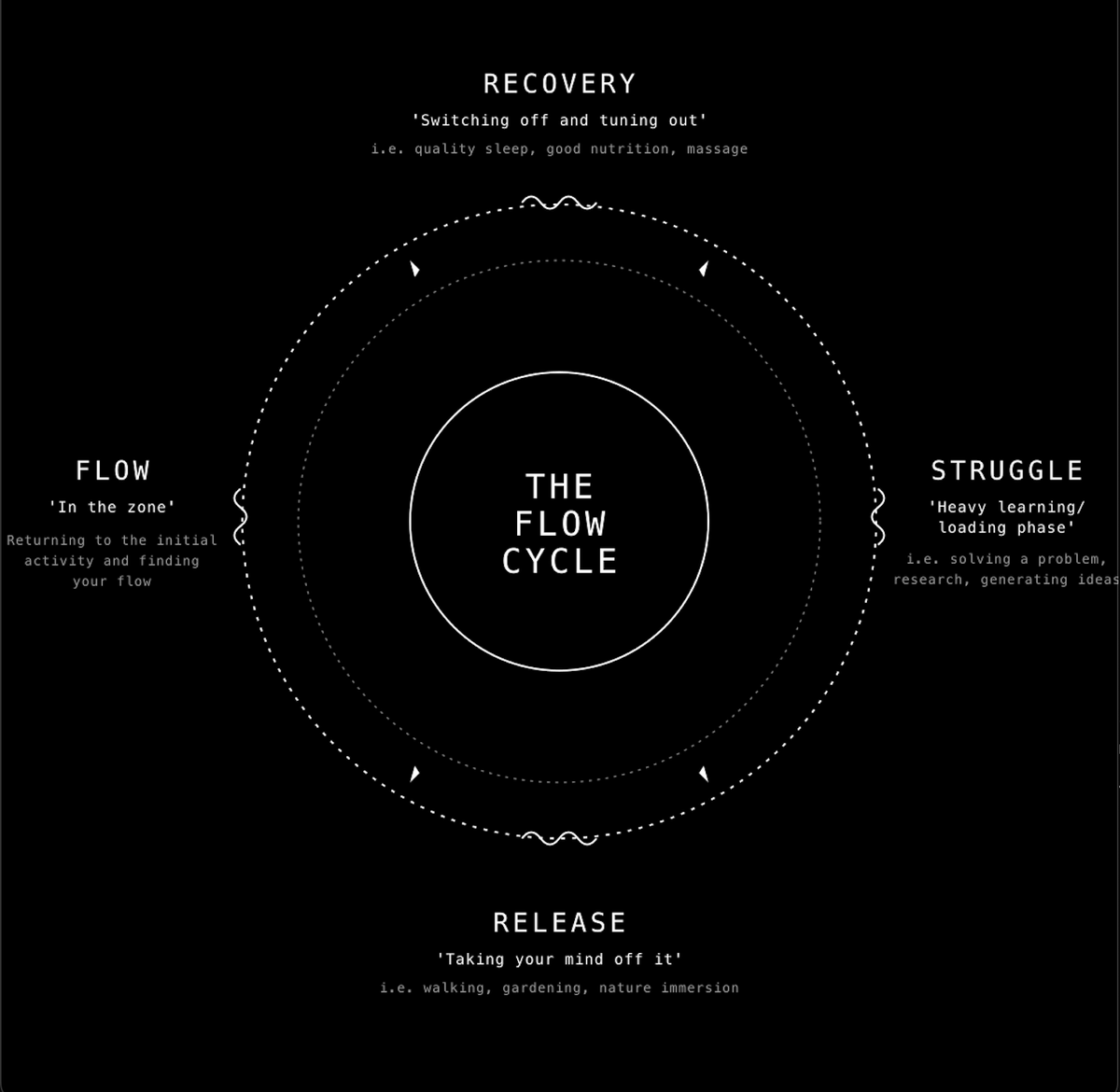
The problem? Most study schedules are designed to maximise hours, not to create conditions for flow. And flow does not happen in isolation. It is one phase in a four-part cycle.
The four phases of the flow cycle
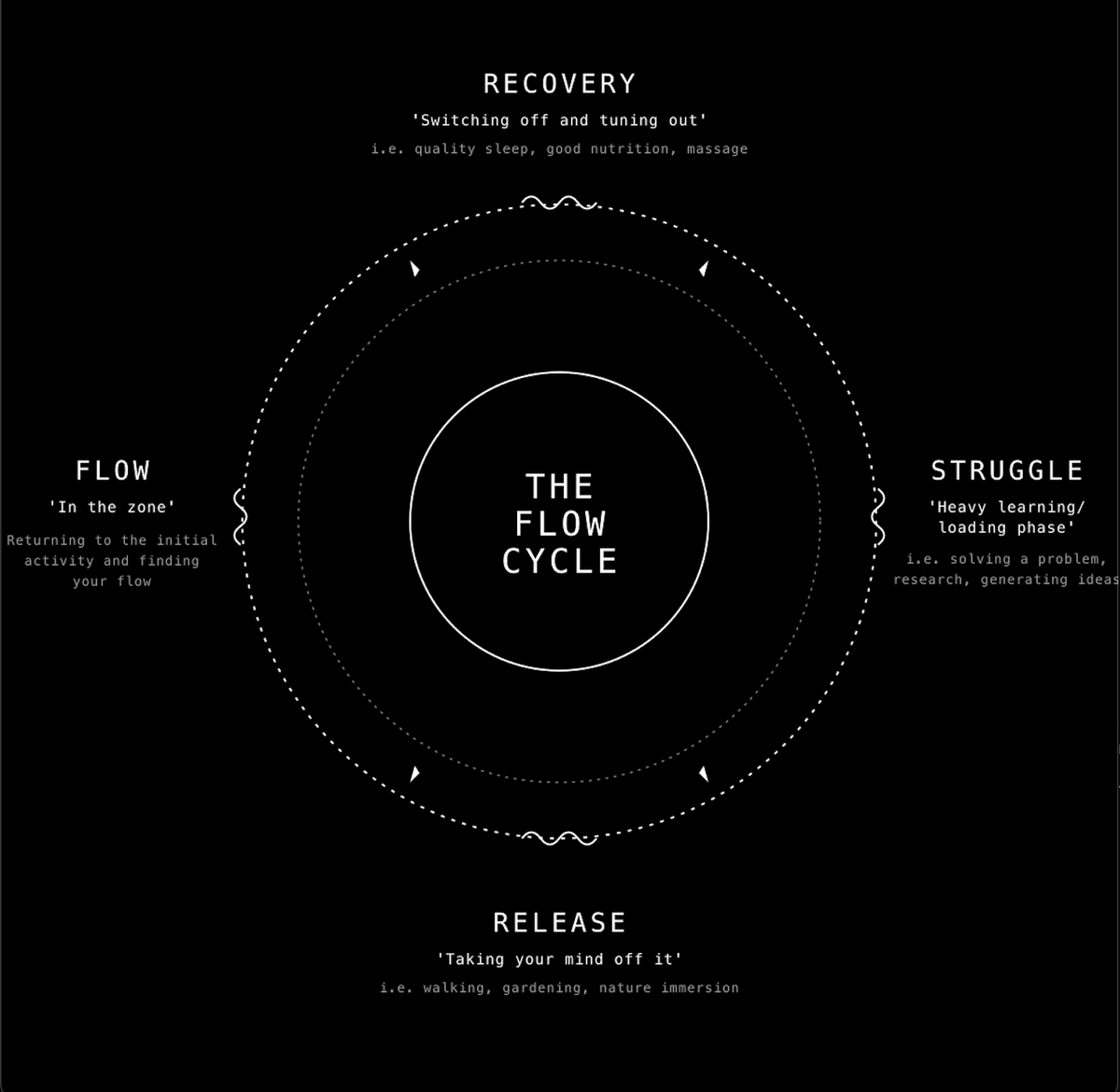
Every high-performance study session moves through four distinct phases. Skip any one of them and the cycle breaks.
Phase 1 — Struggle
This is the frustrating beginning. The brain is loading new information, building neural pathways. It feels hard, slow, and uncomfortable.
Most students — and parents — panic here. They switch subjects, check their phone, or conclude that they are “not getting it.” But this discomfort is the point. The struggle phase is where the brain lays the foundation. Quitting too early means the foundation never gets built.
Phase 2 — Release
This is the deliberate step back. Stop actively working on the problem. Go for a walk, stretch, play with the dog, or just stare out of the window.
The brain shifts from focused thinking to diffuse thinking. It starts connecting dots unconsciously. This is the phase that most Indian study routines completely eliminate — because it looks like wasting time. It is not.
Phase 3 — Flow
Now the student returns to the work, and something has shifted. Focus comes easily. Connections appear. Two hours of flow can produce more real learning than eight hours of grinding.
Flow cannot be forced. It is the natural result of properly completing struggle and release.
Phase 4 — Recovery
After flow, the brain is neurochemically depleted. Recovery is not a reward for hard work. It is a biological requirement for the next cycle to begin.
Without recovery, each new struggle phase gets harder. Release takes longer. Flow becomes impossible. The student is not lazy. They are running on empty.
What happens in your child’s brain during flow
During flow, the brain releases a specific combination of neurochemicals that together create deep focus and accelerated learning.
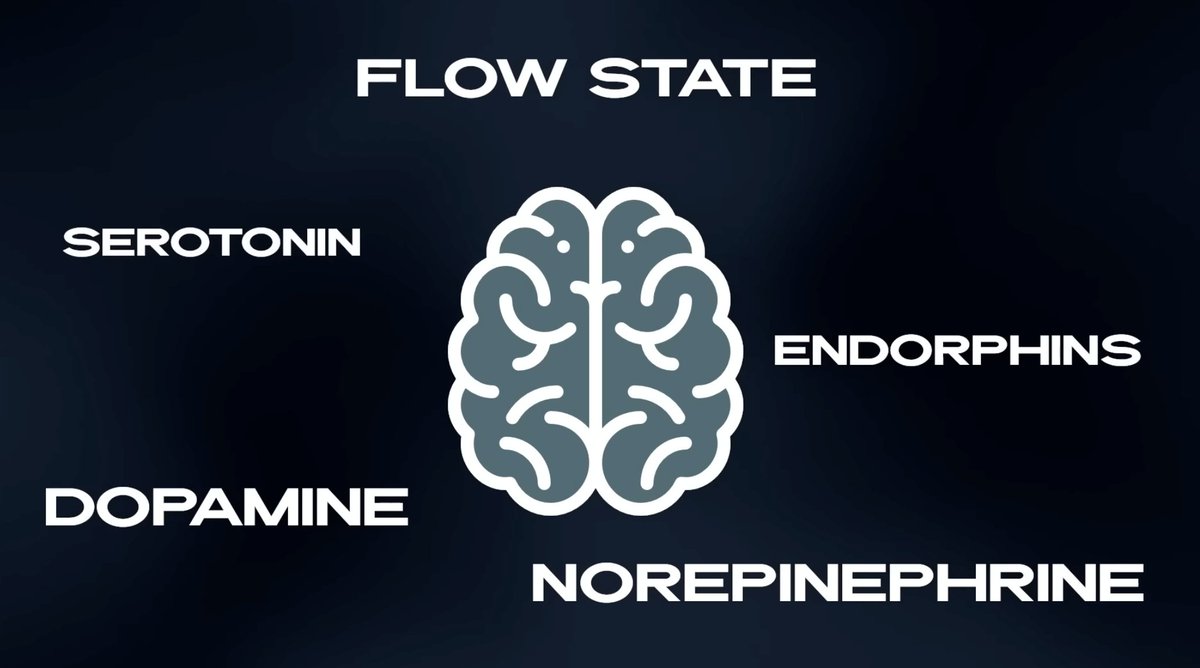
Dopamine makes the work feel meaningful and rewarding. Norepinephrine sharpens attention and keeps the mind alert. Endorphins reduce mental fatigue, helping the student push through difficult problems. Serotonin provides a sense of calm confidence.
This cocktail is why flow feels so good and produces such lasting learning. But these chemicals are finite. The brain must replenish them, and that only happens during genuine recovery — sleep, rest, and disconnection.
Why recovery is non-negotiable
Look at what happens inside the brain after an intense cognitive session.
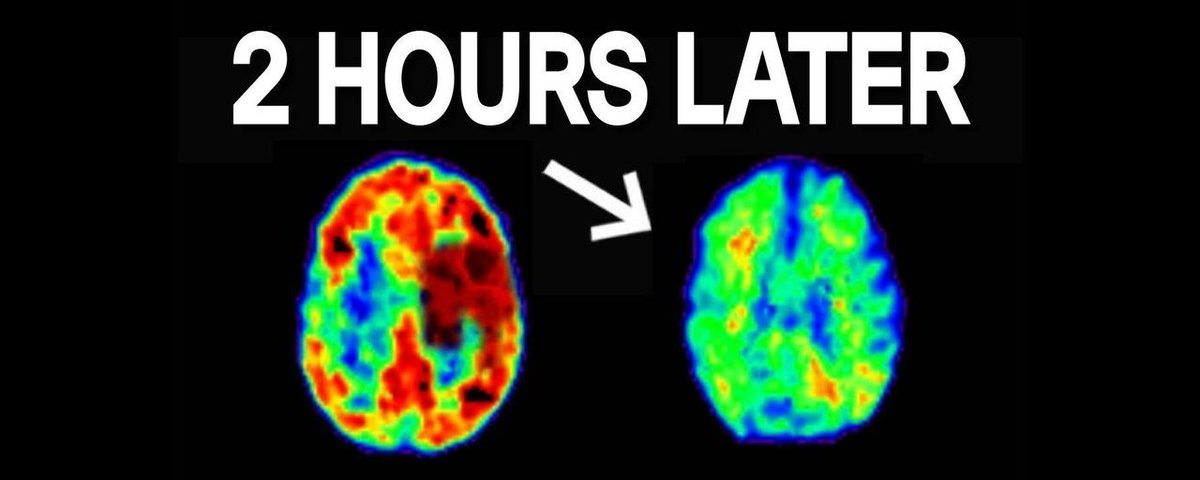
The left image shows a brain at full tilt during deep work. The right image shows the same brain two hours later. The activity has dropped dramatically.
This is not a sign of failure. The brain is consolidating. Memory is being transferred from short-term to long-term storage. The glymphatic system is clearing metabolic waste. This process requires rest.
Students who skip recovery show a predictable pattern: declining test scores despite more hours studied, increased errors on problems they previously solved correctly, irritability, and loss of motivation. These are not discipline problems. They are recovery deficits.
Schools with single-tap attendance systems can spot these patterns early. When a student who normally attends every class starts missing days or arriving late, it is often the first visible sign of a recovery deficit. The Academic Ops module surfaces these trends automatically, so coordinators can intervene before the damage compounds.
No athlete would train without rest days. No muscle grows during the workout — it grows during recovery. The brain works the same way.
Rest is not the opposite of study. It is the other half of it.
The recovery cadence — a practical framework
Recovery is not a single event. It operates at multiple timescales. Miss one level and the others cannot compensate.
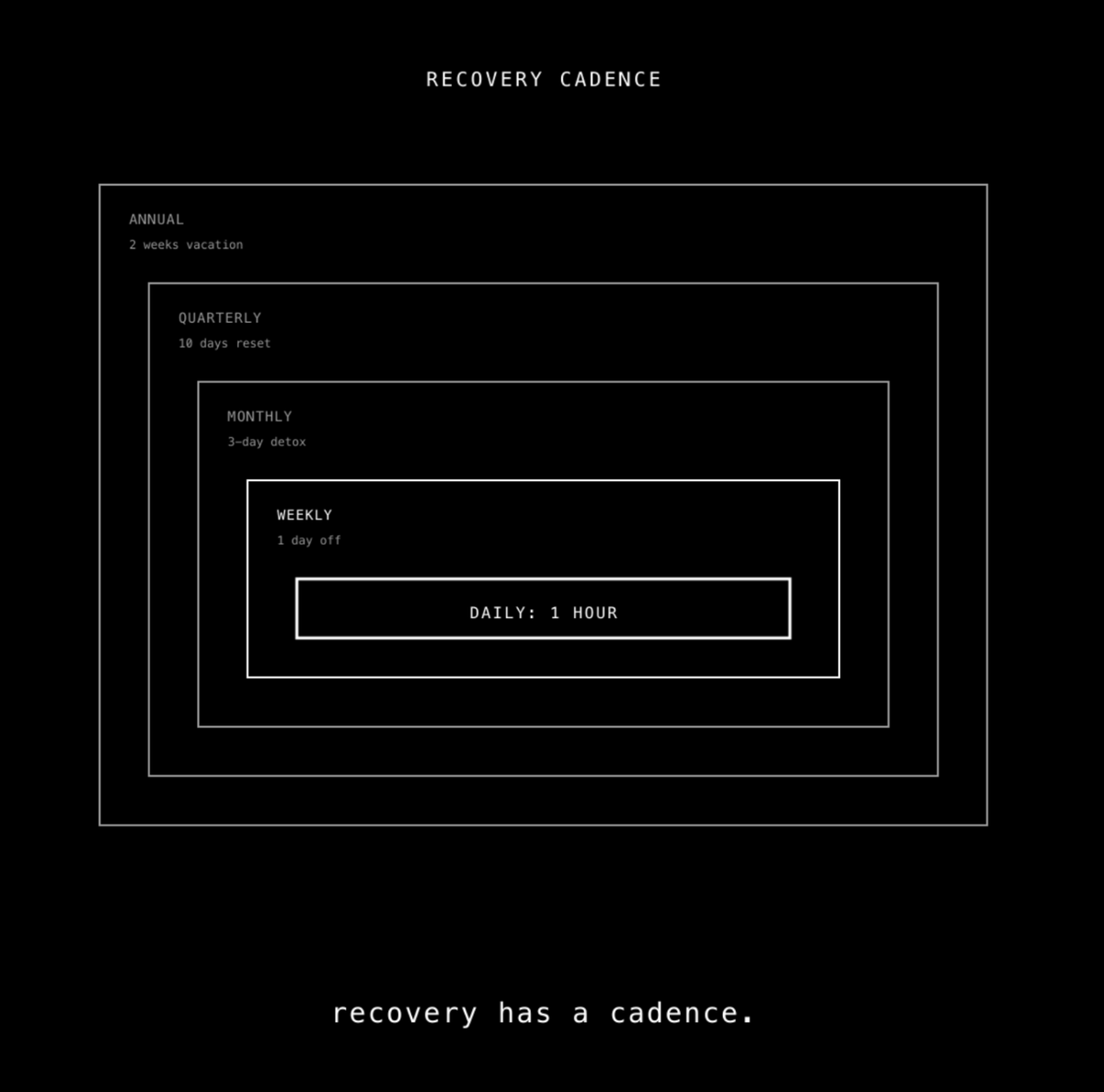
| Cadence | Duration | What it looks like |
|---|---|---|
| Daily | 1 hour | No screens, physical movement, creative play, or genuine downtime between study sessions |
| Weekly | 1 full day | One day per week with zero academic work — sports, family time, hobbies, socialising |
| Monthly | 3 days | A long weekend of complete mental reset, especially after intense test cycles |
| Quarterly | 10 days | Aligned with school breaks — genuine rest, not extra coaching or crash courses |
| Annual | 2 weeks | Summer or year-end break with no academic obligations whatsoever |
Making it work for competitive exam students
The objection writes itself: “My child has NEET in ten months. We cannot afford to take breaks.”
Turn it around. You cannot afford not to. Diminishing returns set in around four to five hours of deep cognitive work per day. After that, each additional hour produces less learning than the one before. The students who score highest are rarely the ones who study the most hours. They are the ones who protect their recovery.
How to build recovery into your child’s routine
A parent's action plan
A student who studies five focused hours with proper recovery will consistently outperform one who grinds through ten unfocused hours. The goal is not more time at the desk. It is better use of the time they have.
What recovery is not
Let us be clear about what does not count as recovery.
Scrolling social media is not recovery. Instagram, YouTube, and short-form video keep the brain in a stimulated state. The dopamine hits from social media compete directly with the dopamine the brain needs to replenish for the next flow cycle.
Light study is not recovery. Reviewing flashcards or doing easy problems still engages the same cognitive systems. The brain needs genuine rest — a shift into its default mode network.
Guilt is not helpful. Parents need to stop treating rest as lost time. Every hour of genuine recovery is an investment in the quality of the next study session.
Real recovery looks like: sleep, physical movement, time in nature, creative play, social connection, and yes — even boredom.
The bigger picture — raising sustainable learners
This is about more than the next exam. Students who understand how their brain cycles through effort and rest develop a meta-skill that lasts a lifetime. They learn to manage their own energy, recognise when they are depleted, and structure their work accordingly.
That is a competitive advantage no coaching class can teach.
Schools that build these rhythms into their academic calendar — structured break periods, balanced test schedules, protected recovery time — see better outcomes not just in scores, but in student wellbeing and teacher retention.
Start this week
The goal is not to study more. The goal is to study in rhythm with how the brain actually works.
If you are a school leader looking to build sustainable academic rhythms into your institution, explore the all.school platform or book a demo to see how it works.