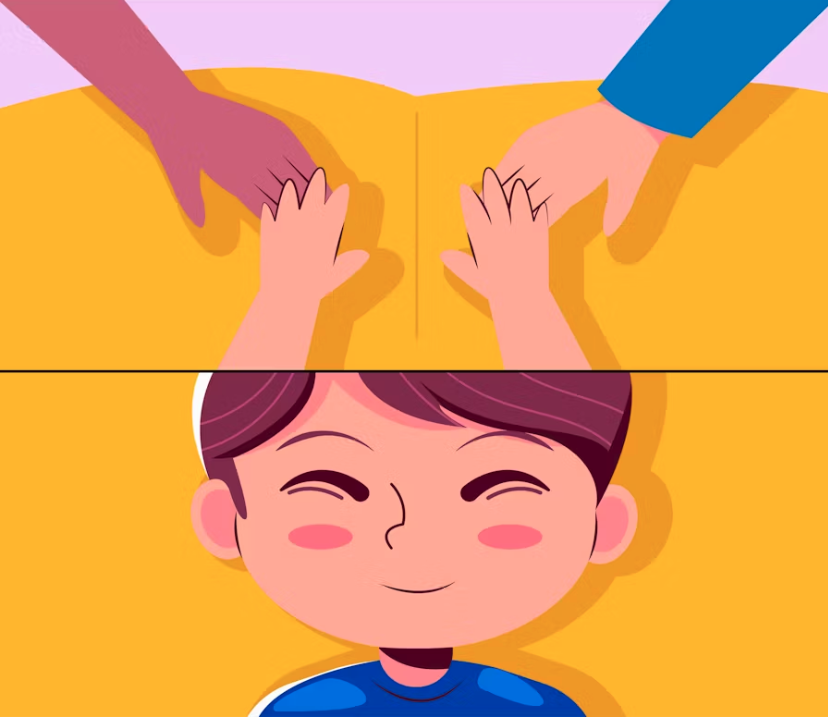
Parents, please remember: You’re not failing — you’re raising humans
TL;DR: Challenging behavior is often a sign of development, not “bad parenting.” Focus on connection, consistent boundaries, and small repeatable routines—and ask for support early when you need it.
The truth behind the hard days
Babies cry. Toddlers melt down. Kids push back. Teenagers test limits.
This isn’t a parenting “scorecard.” It’s a childhood timeline.
A lot of what looks like “misbehavior” is actually your child learning how to:
- handle big feelings
- communicate needs (imperfectly)
- build independence
- understand rules and consequences
- recover after mistakes
Your job is not to prevent every storm.
Your job is to teach them how to move through it.
What’s normal at different ages
Babies: crying is communication
Crying is not manipulation. It’s the only tool they have.
Common reasons include hunger, discomfort, fatigue, overstimulation, or needing closeness.
What helps:
- predictable routines (as much as possible)
- calming inputs (rocking, soft voice, reduced noise)
- responsive care (you’re building trust)
Toddlers: tantrums are developmental
Tantrums peak because toddlers want control, but their brain is still learning self-regulation.
Common triggers:
- transitions (“leave the park”)
- tiredness or hunger
- not having the words to explain feelings
What helps:
- simple choices (“red shirt or blue shirt?”)
- naming feelings (“You’re angry because we’re stopping.”)
- staying calm and nearby
Kids: talking back is often boundary-testing
As kids grow, they experiment with fairness, autonomy, and voice.
Sometimes “talking back” is:
- frustration
- problem-solving out loud
- trying to feel heard
What helps:
- clear expectations (“You can disagree respectfully.”)
- consequences that are consistent (not harsh)
- a chance to repair after the moment passes
Teenagers: testing boundaries is part of identity-building
Teens are developing independence. They may push limits to find their footing.
Common drivers:
- social pressure
- emotional intensity
- sleep deprivation
- desire for privacy and respect
What helps:
- calm, firm boundaries with explanations
- collaborative problem-solving
- keeping connection even when you say “no”
Reframing behavior: ask “What’s happening?” not “What’s wrong?”
When things get loud or messy, try shifting the question.
Instead of:
- “Why are you like this?”
- “You’re being difficult.”
Try:
- “What’s the need underneath this?”
- “What skill are we still learning here?”
Many behaviors point to a missing skill, not a missing character trait.
Examples:
- Tantrum → needs help with transitions and emotional regulation
- Refusal → needs autonomy, clarity, or a break
- Clinginess → needs reassurance or stability
- Defiance → needs boundaries delivered with dignity
What you can do in the moment
When emotions are high, logic often won’t land.
Use a simple sequence:
- Regulate yourself first
- breathe slowly
- lower your voice
- relax your shoulders
- Connect briefly
- “I’m here.”
- “I can see this is hard.”
- Hold the boundary
- “We’re still leaving.”
- “I won’t let you hit.”
- Return to teaching later
- after calm: “What can we do differently next time?”
Helpful phrases to keep ready
- “You can be upset and still be safe.”
- “I won’t argue, but I will listen.”
- “We’ll try again in five minutes.”
- “Let’s fix this together.”
Building calmer weeks with small routines
You don’t need a perfect system. You need a repeatable one.
Try adding just one of these:
- a consistent bedtime window
- a 10-minute “special time” daily (child leads; no corrections)
- a simple morning checklist
- a predictable after-school decompression routine (snack, quiet, movement)
Small consistency beats big intensity.
When to seek extra support
Sometimes behavior is a signal that a child needs more help than a family can provide alone—and that’s okay.
Consider reaching out to your school or a professional if you notice:
- frequent intense meltdowns that don’t improve over time
- persistent aggression or self-harm talk
- major sleep issues affecting daily functioning
- anxiety that limits school, friendships, or routines
- sudden behavior changes after a stressful event
Support is not a last resort. It’s a strategy.
Partnering with your child’s school
Schools work best when parents and educators share context, not blame.
If you’re reaching out, focus on:
- what you’re noticing at home
- what helps your child reset
- what patterns might be connected (sleep, transitions, social stress)
A simple message can be enough:
- “We’re seeing bigger emotions lately. What are you noticing at school, and can we align on a consistent approach?”
Takeaway and next step
Your child’s big feelings are not proof that you’re failing. They’re proof that your child is growing.
Next step: Pick one moment this week that usually escalates (morning rush, homework time, bedtime). Add one small support—a routine, a phrase, or a consistent boundary—and repeat it for seven days. If it still feels overwhelming, loop in your school support team early and build a plan together.
Keep parents connected to their child’s journey. all.school’s Student & Parent module gives families real-time visibility into attendance, academic progress, and school communications. Learn more about the platform.